 Jak Holdcraft
As Gen Z turns to thrifting for affordable fashion, Arizona’s second hand market is becoming part of a larger shift in how young consumers shop.
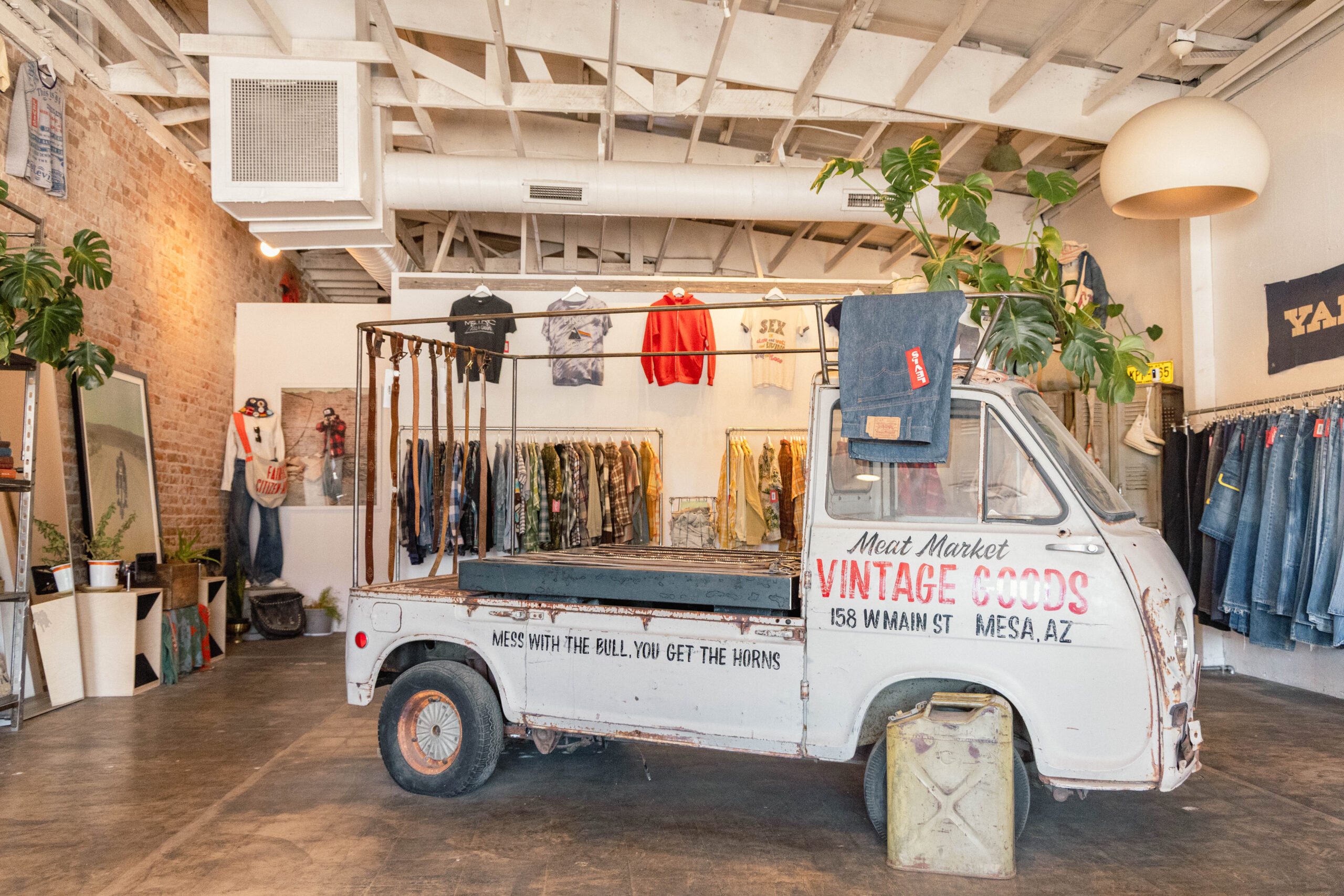
“It’s a lot more individualistic because you’re not going to find the same thing everywhere,” Jon Nguyen, co-owner of Meat Market Vintage Goods in Mesa explained.

For younger shoppers, buying clothes secondhand can mean spending less while still finding attire that is unique, but the growing popularity of vintage fashion has also changed from a way to save money into a fashion trend, and for some a way to make money.
“When you are in high school you don’t have a huge budget. ” Christian Weniger, owner of Double Dare Vintage in Mesa, said high school and college students make up a large portion of his consumer base.
According to him, younger customers typically spend less than older shoppers because they have less income, but affordability is not the only reason they shop secondhand.
“It’s also fun,” Weniger said, “Everything is one of one.”
The sense of discovery has become a part of the appeal for younger shoppers. Instead of walking into a name brand retailer and finding multiple versions of the same shirt, vintage shoppers often have to search for the item that fits them best.
Weniger mentioned that the sense of discovery creates a “chase” for young shoppers who want to find something a little more unique and build a collection that reflects their personality.
This growing trend is happening across the United States. According to ThredUp’s 2026 Resale Report, Gen Z and Millennials are expected to account for 71% of secondhand market growth through 2030.
For shoppers trying to stretch their budgets a little further, secondhand clothing can provide an alternative to buying new. Weniger stated he has seen customers become accustomed to the lower prices available at thrift stores.
“If you’ve been to Goodwill and you thrift a lot, you realize like, wow, the prices are really good and I can find something no one else might have,” Weniger explained.
But the growing demand for secondhand and vintage clothing has changed the economics for the businesses selling it.
Jon Nguyen, co-owner of Meat Market Vintage Goods in Mesa, said his store attracts a mix of younger and older generations. While younger generations are drawn more to thrifting, he said Meat Market’s focus on older Americana and true vintage attracts shoppers from all ages.
Nguyen said the appeal of vintage clothing is often connected to individuality rather than a price tag. He also stated that the quality of older clothing contributes to the appeal.
“Vintage is typically better,” Nguyen said, “It’s sustainable. But I also agree with the textiles within it. It’s better made.”
This increase in demand has also made vintage inventory more expensive to buy. Weniger said sourcing secondhand clothing has become more expensive because more people are competing for the same item.
Increased demand also creates a tension for stores trying to remain affordable while also paying the costs of operating a business. Weniger said running a storefront comes with expenses that most customers do not see, including rent and other monthly expenses.
The growth of online resale stores has also added a different dimension to the market. Platforms such as Ebay, Depop, and Vinted allow younger shoppers to buy and sell clothing without having to operate a store or pay for licensing.
Nguyen also pointed out that online platforms are an important resource for the secondhand market, saying social media can drive customers from their phone into physical stores.
Resellers have become a controversial part of the secondhand market,as shoppers see vintage pieces being bought and later listed for significantly higher prices. Nguyen said one misconception is that resellers are taking advantage of shoppers.
“People think resellers are the worst people in the world,” Nguyen said.
Nguyen said reselling has existed for generations, but social media has made the idea of reselling more visible. He said the disagreement often comes down to how buyers understand the value of an item.
“Why are you selling this for so much money?” Nguyen asked, describing a common reaction from shoppers. Rarity, demand, brand and the preferences of individual shoppers can contribute to what someone is willing to pay. This creates a gap between what a shopper considers an inexpensive thrifted item and what a vintage buyer considers a valuable piece.
The growth of secondhand markets, however, has raised questions about affordability, whether increased demand could make vintage clothing less inexpensive.
Weniger said the price of desirable vintage pieces can rise when demand increases. His store tries to price items competitively, but highly sought-after pieces can sell for prices similar to online resale value.
Nguyen said part of what makes vintage clothing valuable is that shoppers are looking for pieces they can not find elsewhere.
Source link
Jak Holdcraft Gen Z’s intense shift to thrifting alters the secondhand market – Mesa Legend mesalegend.com
Mesa Legend 2026-10-22 01:12:06
News +



GIPHY App Key not set. Please check settings